Death benefit decisions in an SMSF can quickly become complex, high stakes, and emotionally charged. From misunderstandings about the role of a will, to invalid binding nominations, illiquid assets and transfer balance cap issues, small missteps can lead to delays, unintended outcomes, and costly disputes.
In this Q&A, Tracey Norris shares practical insights into the trustee responsibilities that are most often overlooked, the key drivers of beneficiary conflict, and the steps advisers and trustees can take to ensure death benefit decisions are lawful, defensible, and aligned with member intent.
/OND253N49B2%20Succession%20Law%20Case%20Update.png?width=949&height=448&name=OND253N49B2%20Succession%20Law%20Case%20Update.png)
That the trustee must act in accordance with the deceased member’s Will. The overarching superannuation obligations and fund trust deed take precedence over the Will of the deceased member. The Will can only determine the likely beneficiaries where the trustees have accepted a valid binding death benefit nomination that requires that the benefit be paid to the Legal Personal Representative for distribution under the Will.
This is where estates come unstuck, assuming the Will governs super can lead to payments going to unintended recipients and costly disputes.
From what you see in practice, where do death benefit decisions most commonly go off track, and why?Failing to plan for succession (including addressing illiquid assets) and not understanding the obligations under Superannuation Laws regarding replacement trustees and death benefit payments. In practice, this can create a disconnect between asset control and the intended beneficiaries, inhibit trustees' access to cash or force the sale of assets in circumstances that produce sub‑optimal results.
What’s your perspective on reversionary beneficiaries: when do they genuinely add value, and when can they complicate matters?A reversionary beneficiary or death benefit pension can provide time to make a considered decision when grieving; and this allows for a transition of benefits to the survivor in an orderly manner, potentially retaining greater benefits within Superannuation into the future.
In your experience, what are the biggest pitfalls with binding death benefit nominations (including validity, drafting, timing and execution)?Small drafting errors can invalidate the nomination entirely, leaving trustees exposed and beneficiaries dissatisfied. There are numerous pitfalls and advice is critical to ensure that :
- the relevant fund can accept a binding nomination
- appropriate beneficiaries are selected - superannuation laws dictate possible beneficiaries and siblings, step-children, grandchildren and parents may not be permitted beneficiaries
- potential conflict is best avoided by ensuring intended beneficiaries can exert some control of super fund management to receive proceeds
- different beneficiaries have differing tax outcomes based on financial dependence.
Firstly, who is the intended beneficiary, then consider their eligibility to receive benefits under superannuation law, followed closely by tax outcomes and any alternate ways to satisfy the outcome in the most efficient way. Overlaying this should be consideration of control of the SMSF post‑death, the liquidity of the SMSF to make payment, whether the beneficiary has options to receive the benefit via pension or only lump sum, the transfer balance cap position of the beneficiary if pension is preferred and whether retaining benefits in superannuation delivers a demonstrable long‑term advantage versus a lump‑sum payment.
What are the most common mistakes you see practitioners make once the transfer balance cap becomes relevant in a death benefit scenario?Common issues include advising a lump sum may only be paid due to misunderstanding how death benefit pensions may interact with the survivor’s existing cap, not planning for forced commutations – often surfacing at the worst possible time and failing to proactively consider how excess balances unable to be converted to pensions will be paid—particularly where the fund holds illiquid assets.
Where an SMSF holds illiquid assets, what do you see as the most practical and least risky approaches trustees can take?Early planning is critical. Leaving it too late can force sub‑optimal sell‑downs or in‑specie transfers that don’t suit the beneficiaries.
Trustees should consider how benefits can be paid and how assets can be liquidated or transferred to meet benefit payments. Or whether there is alternate plan such as introducing new members to provide additional liquidity to the SMSF to meet current and future obligations.
How are you thinking about Division 296 in the context of death benefit management, and what should advisers be particularly alert to?Division 296 has spooked many and some monies are already exiting the super system. This will reduce the quantum of the balances that must be considered, but removing assets from SMSFs may impact the asset mix and liquidity of portfolios remaining within these funds. Reviewing portfolios and ensuring they remain appropriate for members objectives and that SMSFs have the necessary liquidity following any restructure will be important in future death benefit management. As will, ensuring that beneficiary entitlements have not been compromised by replacing super entitlements with personal assets. Miss the alignment check and you can inadvertently disadvantage the intended beneficiaries. A review of Members’ Wills and BDBNs should be considered along with any proposed restructuring.
Based on your experience, what typically drives beneficiary disputes in SMSF death benefit matters?Family breakdowns, blended families, unequal involvement in family business matters and/or a lack of clarity in succession planning tend to create competing narratives about “intent,” which trustees/families then struggle to resolve objectively.
What early warning signs suggest a beneficiary dispute may be brewing, even before formal positions are taken?Members may hesitate to document their intentions during their lifetime due to fears of family conflict or perceived unfairness - silence today often becomes ambiguity tomorrow, which is the seed of disputes. Or as member’s age, potential beneficiaries may make requests for information that seem out of context, or they may seek to become unnecessarily involved in the financial affairs of others. Be alert to elder abuse or financial control.
In your opinion, what does a sound decision-making process look like for trustees managing death benefits, and what should be properly documented?Trustees must understand how superannuation law, fund rules, benefit payment agreements (ie pensions etc) and member instructions provide authority on the payment of a death benefit and ensure that they seek guidance from a SMSF specialist if they are uncertain on the process. Once clear on the chain of authority and a decision is made, trustees must document their decision and communicate with intended beneficiaries and undertake the necessary reporting to the ATO.
If you could leave advisers with three key principles for post-death benefit management, what would they be?What controls the outcome? - Be clear on authoritative documentation – Law, Deeds (including chain of deeds), Pension agreements, member instructions (if any)
The Who - Who controls the trustee? Who are the beneficiaries and available modes of payment?
How will the benefit be paid? - Consider investments and challenges in making payment
Tracey will explore these issues further in the session ‘Mastering SMSF Succession Planning: A Practical Workshop for Professional Advisers’ on Tuesday, 24 February 2026, covering:
- A deep dive into real-world SMSF succession challenges
- Practical guidance on navigating pre- and post-death complexities
- Actionable strategies to minimise risk and maximise client outcomes
- Expert tips to help you add meaningful value to your advisory services
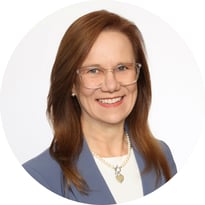
Tracey Norris, Partner, Pitcher Partners
Tracey Norris brings over 25 years of experience in public practice, working closely with family groups and SMEs to navigate the complexities of taxation and superannuation. Her approach is grounded in delivering practical, commercially sound outcomes that align with clients’ life and business goals. Tracey’s expertise spans SMSF compliance and audits, asset restructures involving superannuation—whether due to life events, business sales, or acquisitions—retirement planning, estate administration, family law superannuation splits, and investment strategies using compliant superannuation structures. Tracey also provides expert reports for legal counsel in court proceedings. As a licensed adviser under the Pitcher Partners Australian Financial Services Licence, Tracey combines technical precision with strategic insight. Her contributions to the profession have been recognised with finalist nominations for SMSF Adviser of the Year at the Women in Finance Awards in both 2021 and 2022. Qualifications & Memberships: Bachelor of Commerce (JCU), Advanced Diploma of Financial Services (Superannuation), Fellow of Chartered Accountants Australia and New Zealand (CAANZ), CAANZ SMSF Specialist.


