Ahead of Abuse Law Practice and Reform: Navigating Evidence, Redress and Resolution, we spoke with Hayley Aldrich, Partner at Carroll O’Dea Lawyers, about the pressures and priorities facing practitioners supporting survivors. With the Redress Scheme entering its final years and intersecting legal pathways becoming increasingly complex, Hayley shares concise insights on trauma‑informed practice, navigating criminal, civil and redress decisions, common procedural pitfalls, and the emerging challenges posed by AI.

The answer would have to be the rise of Artificial Intelligence. Experts and law firms are using AI to assist with summaries of records, and that can become an issue if the information that the AI program provides does not accurately reflect the material. Further, we are seeing clients rely on AI to convey their own evidence or instructions in a coherent way – which could create problems when a client is later required to verbally give evidence/be cross-examined/speak to medical practitioners or other experts. Further some seem to rely on research they have found (using AI), which is not correct – further demonstrating how AI still should be used with caution by anyone wishing to rely on it for legal arguments or assistance.
These issues will be explored further in the session Abuse Law Practice and Reform: Navigating Evidence, Redress and Resolution on Friday, 13 March 2026, covering:
- Accountability, Proof and Resolution in Abuse Litigation
- Case Review: AA v Diocese of Maitland-Newcastle
- Putting the Plaintiff to Proof
- Current Landscape of ADR in Abuse Matters: Barriers and Opportunities for Settlement
- A Review of the National Redress Scheme and What Lies Beyond
- Options for Survivors: How to Support Between Criminal, Civil and Redress Processes
- Excellence and Issues with Expert Evidence
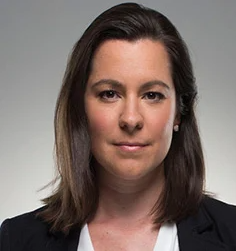 Hayley Aldrich, Partner, Caroll O'Dea Lawyers
Hayley Aldrich is a passionate lawyer with experience in litigation and compensation law. She has developed a practice with significant focus on representing and securing access to justice for members of the Stolen Generations, and others who have suffered as a result of sexual, physical and emotional/mental abuse as children. She is one of the most respected experts in this field, in part due to her dedication in developing and running a trauma informed practice. Hayley’s practice also includes acting for people in a range of personal injury matters, general litigation and international torts. She regularly appears in the District Court of NSW, the Supreme Court of NSW and the Personal Injury Commission.


